
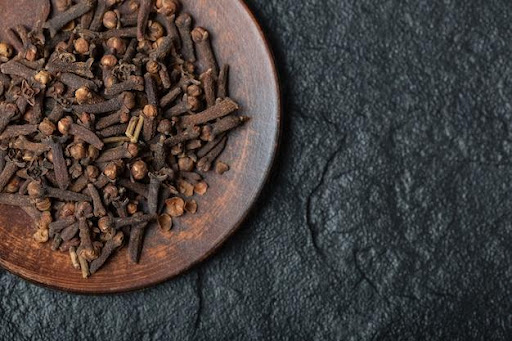
History of Cloves
The first references to cloves are found in Asian literature from the Chinese Han period under the name “chicken-tongue spice”. From the 8th century on, cloves became one of the major spices in European commerce. In the Moluccas Islands (now part of Indonesia), where cloves were first discovered, parents planted a clove tree when a child was born. When the clove forests were first discovered, all were enchanted with the fragrance and beauty of this tropical evergreen tree which “must always see the sea” in order to thrive. Cloves were extremely costly and played an important part in world history. Wars were fought to secure exclusive rights to the profitable clove business. For many years, the Moluccas Islands were part of the Dutch East Indies and the Dutch government sought to control their monopoly by destroying every clove tree that grew anywhere else. However, by the early 1800’s, the French established a smuggling operation to transport clove tree seedlings to the islands of Zanzibar and Pemba.
Facts about cloves:
- Clove has been discovered in vessels from 1721 BC in Syria by archaeologists.
- The word clove is derived from the French word “clou” which means nails.
- Clove cigarettes have been in use in Europe, Asia, and elsewhere.
- The oldest clove tree alive is around 400 years old.
- In the 17th and 18th centuries, cloves were paid in gold, the same as the weight because of their high-priced import duties in Britain.
- Cloves can also be utilized as insect repellents.
- Clove also has a wide usage scale in cosmetic products.
SIDE EFFECTS OF CLOVES:
When taken by mouth: Clove is commonly consumed in foods. There isn’t enough reliable information to know if taking clove in larger amounts is safe or what the side effects might be.
When applied to the skin: Clove oil or cream containing clove flower is possibly safe. But applying clove oil in the mouth or on the gums can sometimes cause irritation and gum damage. Applying clove oil or cream to the skin can sometimes cause burning and skin irritation.
When inhaled: Smoke from clove cigarettes is likely unsafe and can cause side effects such as breathing problems and lung disease.
USES OF CLOVES
COOKING PURPOSE :
- Add ground cloves to pumpkin pie.
- Add cloves to chai lattes.
- Use whole cloves in a pickling mix for spicy pickles.
- Include cloves as an essential spice in curry.
- Make mulled wine with a heavy sprinkle of cloves.
- Use cloves in rubs to season meats.
INDUSTRIAL PURPOSE:
- In manufacturing, clove is used in toothpaste, soaps, cosmetics, perfumes, and cigarettes.
- Clove cigarettes, also called kreteks, generally contain 60% to 80% tobacco and 20% to 40% ground clove.
- Eugenol, one of the chemicals in clove, acts like menthol to reduce the harshness of tobacco smoke
Medicinal Use:
- Cloves are full of antioxidants. These compounds help your body to fight free radicals, which damage your cells and can lead to disease.
- By removing free radicals from your system, the antioxidants found in cloves can help reduce your risk of developing heart disease, diabetes, and certain cancers.